While discussing an article about the top diagrams on Facebook, I was asked the question, "Why describe activities in the form of a diagram at all? Or more generally, why do we need to model? Because it somehow came out of the article as kind of obvious (when it really isn't)".
The question of why we need to model at all is left open for now. It is very broad. Broadly speaking, all of our intelligent (and not just intelligent) activity can be reduced to modeling.
And I will allow myself to rephrase the question about diagrams as I understand it: why do we need visual modeling in software development?
We have only two basic ways to model abstract objects (as opposed to physical objects):
1) textual description and
2) graphical representation. Each has its own advantages and disadvantages.
We use visual modeling in situations where the advantages of images outweigh their disadvantages.
First, drawing allows us to create and maintain a single image while we think, i.e., during the analysis and design process. When we draw a diagram, we use space freely, creating arbitrary connections between any objects. This is much more difficult to do with a linear text.
At the same time, pictures allow us to concentrate better. With a diagram, we can keep all the aspects of the model that interest us in focus, and switching between different objects takes a fraction of a second. So we can focus on the details we need at the moment without fear of losing the rest.
Second, diagrams are an effective way to share information in a discussion. It is not for nothing that the «two people at the whiteboard» method wins in the famous chart of communication efficiency.
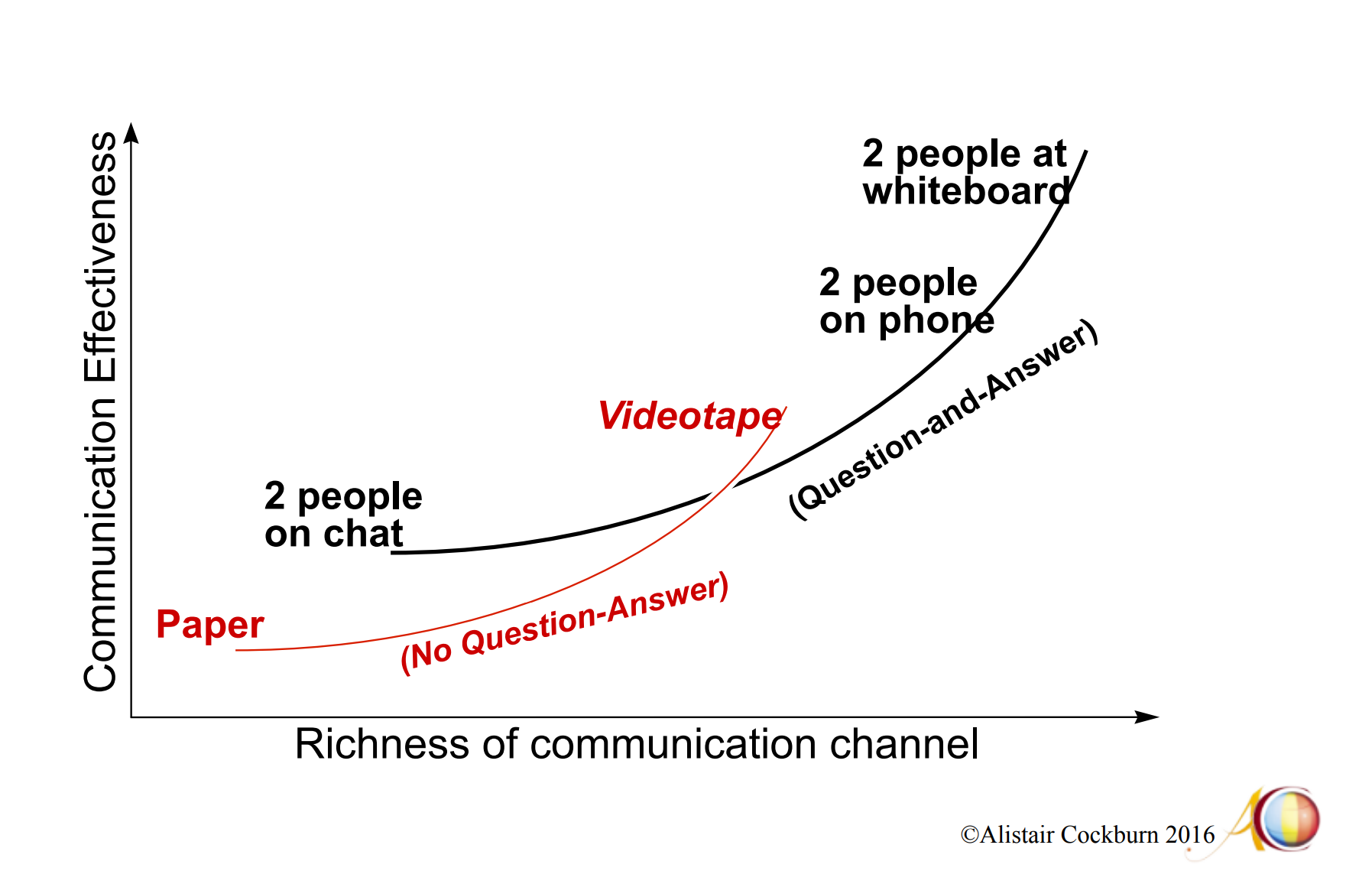
Source: alistair.cockburn.us
Diagrams are compact, taking up relatively little space (unlike line text and tables). Drawing is much faster than writing text. It is possible to draw together. As a result of discussion with visualization, all participants form a single, clear model with a minimum of discrepancies. In general, if you still do not draw during discussions, start drawing at the next meeting.
Third, diagrams are a good way to document. Diagrams allow you to quickly understand complex systems and also serve as reference maps to help you navigate through them. Such diagrams are often generated directly from existing systems, solving the eternal problem of up-to-date documentation: a database diagram is generated from the database itself, a class diagram from the source code, and so on.
Fourth, diagrams can be used directly for programming.
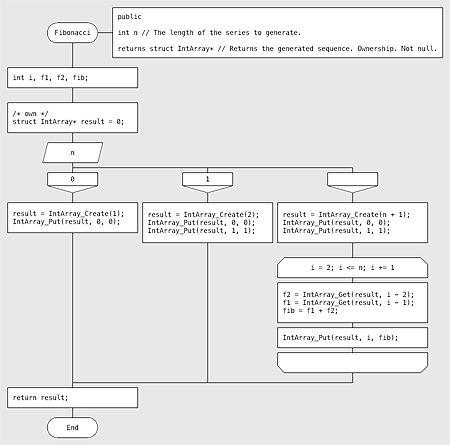
Attempts to replace text-based programming languages with visual ones have been made since the moment computers had their first graphical interface. But here the disadvantages of diagrams start to outweigh their advantages: text is a more flexible, versatile and fast way of modeling (although UML fans are ready to argue with this).
But visual programming successfully bypasses traditional languages from the flanks: it loses them in universality and conquers more and more new areas where specialization has already won. When programming has to be done within a relatively narrow, well-defined model, visualization of this model allows you to partially or completely abandon the usual «coding». And this, in turn, makes it possible to delegate programming functions to a wide range of users with minimal training.
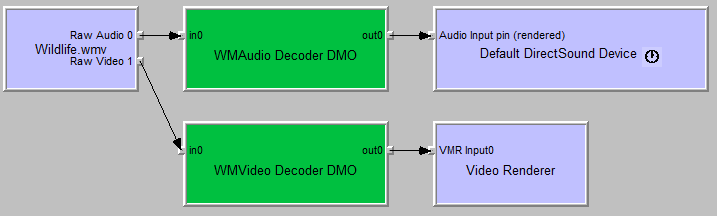
Users of a banking system can describe business processes using a graphical language and program the behavior of the automated banking systems. Video editor users can program the order of processing video and audio with different filters by simply specifying the order of their application on the diagram. There are a lot of examples, and there are more every day.
I have described the four main situations in this order for a reason. Each one requires a more formal approach to modeling than the previous one.
If you are modeling only for yourself, you can use whatever figures and symbols you want: the main thing is that they should be understandable to you personally.
If you are drawing a diagram in discussion with others, you should use at least a minimum of agreement about the purpose of each shape, arrow, color, or symbol: you already need some language.
When you document, you need to follow some formal notation. You don’t know in advance who will read your diagram, and you need to rely on some standard to make sure the reader understands it correctly.
When you use diagrams for programming, you must strictly follow all the requirements of the notation. Digital machines are not intuitive; they follow exactly the instructions you give them. An error in the use of the notation leads to an error in the programmable behavior.
The UML language claims to cover all four niches, which often leads to misunderstandings. But that is a topic for a separate article, and perhaps more than one.
Author

Grigoriy Pechenkin